There are nights in Boston when everyone seems to know exactly who belongs in the room—and who does not.
Camille did not move.
For a few seconds, the ballroom seemed to disappear around her.
The orchestra continued playing beneath the glittering chandeliers, glasses continued clinking at the tables, and conversations continued in low, polished voices. Yet Camille heard almost none of it.
All she could hear was her own heartbeat.
Rocco Rinaldi stood in front of her, his hand still extended.
“Camille.”
He said her name quietly.
Not like a command.
Not like a question.
Like he already knew she would understand.
She looked past him toward the tables.
Several people were staring.
A woman in a silver gown whispered something to the man beside her. Two older businessmen had stopped talking altogether. Near the far end of the ballroom, a photographer lowered his camera for a moment as if even he needed to understand what was happening before capturing it.
Camille swallowed.
“This is a mistake.”
Rocco’s expression barely changed.
“No.”
“You probably meant to ask someone else.”
“I didn’t.”
“Mr. Rinaldi—”
“Rocco.”
She hesitated.
Then she placed her hand in his.
The orchestra seemed to grow louder.
Rocco led her onto the dance floor.
Camille had danced before, but never like this. At the senior living facility, music was something intimate. It belonged to residents remembering spouses, young love, old neighborhoods, and songs from decades they could no longer clearly place.
This was different.
This was Boston society watching.
Every step felt like it carried a question.
Why her?
Why tonight?
Why him?
Rocco moved with surprising ease. There was nothing showy about him. He did not perform for the audience. If anything, he seemed to forget the audience existed.
“You’re staring,” Camille whispered.
“I know.”
“At everyone?”
“At you.”
Her cheeks warmed.
She looked away.
“You shouldn’t.”
“Why?”
“Because people are going to talk.”
“They already are.”
“That doesn’t bother you?”
“No.”
“Why not?”
Rocco was silent for a moment.
“Because I spent too much time caring what they thought.”
The answer unsettled her.
Before Camille could ask what he meant, the music changed.
The new song was slower.
Rocco’s hand tightened slightly around hers.
For a fleeting second, Camille felt something dangerously close to safety.
Then she remembered who he was.
She remembered the stories.
The headlines.
The photographs of Rocco standing beside governors, investors, CEOs, and men whose names appeared on buildings throughout Boston.
She remembered that people did not simply become powerful by being kind.
And she remembered why she had almost refused the invitation to this ball in the first place.
“I need to ask you something,” she said.
“Ask.”
“Am I here because of Lillian?”
Rocco’s eyes shifted.
It was barely noticeable.
Camille noticed anyway.
“My aunt gave you the invitation.”
“I know.”
“Did you ask her to?”
“No.”
“Then why did you know I would be here?”
“I didn’t.”
She frowned.
“That’s not true.”
“It is.”
“You walked directly to me.”
“I knew where you were sitting.”
“That isn’t the same thing.”
“No,” he said. “It isn’t.”
The song ended.
Applause rose around them.
Rocco did not release her immediately.
His gaze remained on hers.
“I knew you were coming,” he said at last.
Camille’s chest tightened.
“How?”
He looked toward the doorway.
“Because Lillian wanted you here.”
“That doesn’t explain anything.”
“It will.”
“That’s what people say when they don’t want to answer.”
A faint smile touched his mouth.
“You’re right.”
Then he let her go.
For the first time that evening, Camille felt colder without his hand.
She stepped away.
“I think I need some air.”
Rocco nodded.
“I’ll have someone—”
“No.”
She stopped him.
“I don’t need someone.”
His expression changed.
Not anger.
Something closer to concern.
“All right.”
Camille walked toward the terrace.
The October air outside was sharp and clean. Boston’s skyline glittered beyond the railing, with the lights of office towers reflecting against the dark Charles River. Somewhere below, cars moved through the streets, headlights sliding between old brick buildings and modern glass.
She placed both hands against the cold stone railing.
She needed to breathe.
The terrace doors opened behind her.
She expected Rocco.
Instead, it was Lillian.
The older woman smiled.
“I wondered when you would escape.”
Camille laughed softly.
“You knew this would happen.”
“I hoped.”
“You invited me here.”
“I did.”
“Why?”
Lillian came to stand beside her.
“Because you have spent too many years believing that important rooms were designed for other people.”
Camille looked at her.
“I’m not important.”
Lillian shook her head.
“That is exactly what I mean.”
For a moment neither spoke.
Then Lillian reached into her small evening bag and removed a folded piece of paper.
Camille recognized the handwriting immediately.
It was Rocco’s.
Her stomach tightened.
“What is that?”
“Something he should have given you himself.”
Camille opened it.
There were only a few lines.
The words were simple.
I heard you play the first time I came to see Lillian.
I stayed because I wanted to hear the song again.
Camille read it twice.
Then a third time.
She looked up.
“Why didn’t he tell me?”
“Because my nephew is very good at solving problems,” Lillian said. “He is not nearly as good at admitting when he is afraid.”
“Afraid of what?”
Lillian’s smile faded.
“Of wanting something he believes he has no right to have.”
Camille stared at the note.
“What does that mean?”
Before Lillian could answer, the terrace doors opened again.
Rocco stood there.
He looked at Camille, then at the note in her hand.
His expression told her everything.
“You weren’t supposed to see that yet,” he said.
Camille’s voice was quiet.
“Why?”
“Because I wanted to explain it properly.”
“Then explain it.”
Rocco walked toward them.
Lillian looked between them.
“I’ll leave you two alone.”
“Lillian—”
But the older woman was already walking back inside.
Camille waited until the doors closed.
Then she held up the note.
“You listened to me play?”
“Yes.”
“How many times?”
“I don’t know.”
“Try.”
Rocco looked toward the Boston skyline.
“Enough that I started recognizing which songs you played when you were happy.”
Camille’s throat tightened.
“And which ones when I wasn’t?”
His eyes returned to hers.
“Those too.”
She did not know what to say.
No one had ever paid attention to her that way.
People appreciated her work. They thanked her for arranging activities. Residents smiled when she played. Families told her she had a calming presence.
But no one had listened for the difference between her happiness and sadness.
No one had memorized her silence.
“I thought you barely noticed me,” she whispered.
“I noticed you too much.”
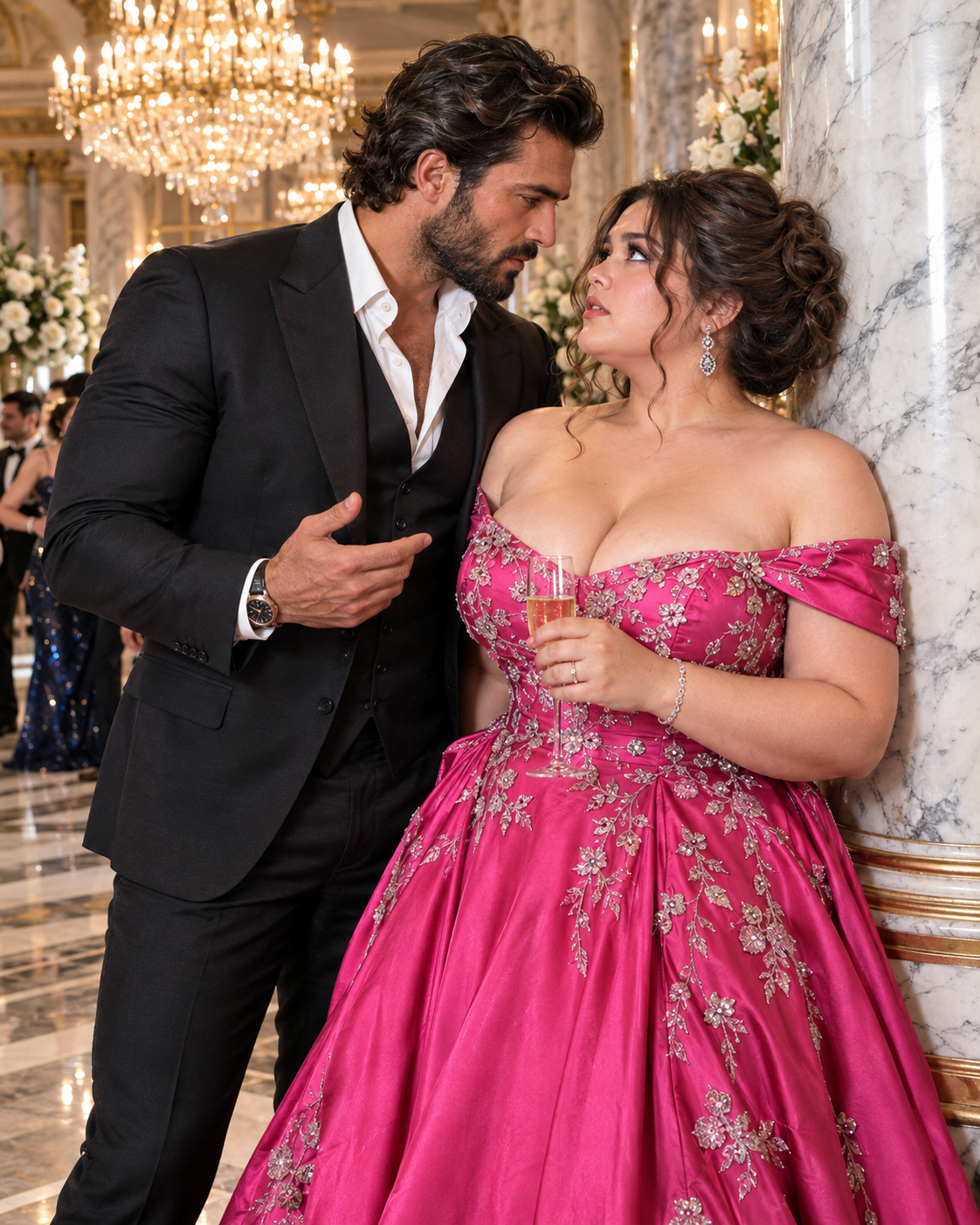
That answer frightened her more than a declaration would have.
She stepped backward.
“Then why have you been avoiding me?”
Rocco’s jaw tightened.
“Because my life is complicated.”
“That isn’t an answer.”
“No.”
“Then give me one.”
He looked at her for a long moment.
“Because people around me have a way of becoming targets.”
The words hung between them.
Camille felt the warmth leave her face.
“Targets?”
“Not because of anything you’ve done.”
“Then because of you.”
“Yes.”
She looked toward the city.
“That sounds like an excuse.”
“It is also the truth.”
“You could have told me.”
“I thought distance would protect you.”
“You don’t get to decide that for me.”
Rocco fell silent.
Camille’s voice shook now.
“I am tired of people deciding what I can handle.”
He looked at her.
She continued.
“I’ve spent my entire life being told what I should want, where I should stand, how much space I should take up. And now you decide that the safest place for me is somewhere far away from you?”
“I never wanted you far away.”
“Then what did you want?”
His answer came almost immediately.
“You.”
The word was so quiet she almost missed it.
Camille stared at him.
Rocco took one step closer.
“I wanted you to have a life that wasn’t shaped by my problems.”
“You don’t know what my life is supposed to be.”
“I know.”
“No, you don’t.”
She wiped at the corner of her eye.
“And that’s the problem.”
Rocco did not touch her.
For once, he did not try to solve the moment.
He simply stood there.
Camille realized that might have been the most honest thing he had done all evening.
Then she remembered the piano.
“You said there was something you wanted to show me.”
Rocco looked away.
“How did you know about the piano?”
“Lillian told me.”
“She shouldn’t have.”
“She also told me you did something.”
He said nothing.
Camille stepped closer.
“Rocco.”
He sighed.
“I had it restored.”
Her breath caught.
“My piano?”
“The one at the facility.”
“The old Steinway?”
“Yes.”
“Why?”
“Because you kept apologizing for it.”
Camille frowned.
“I did not.”
“You did.”
“When?”
“Every time a key stuck.”
A reluctant laugh escaped her.
“That piano was terrible.”
“You loved it.”
“I did.”
“That was enough.”
Camille looked down.
For years, the piano had been more than an instrument. It had been the one thing she could sit beside when words failed. Its scratches, uneven keys, and tired sound had become part of her life.
She had planned to replace it someday.
Someday when she had enough money.
Someday when someone thought the expense was justified.
Rocco had apparently decided someday had arrived.
“I can’t accept this.”
“You don’t have to pay me.”
“That’s not what I mean.”
“I know.”
“I don’t want you buying things for me.”
“I know.”
“Then why?”
“Because you deserved to play an instrument that didn’t fight you.”
The simplicity of the answer broke something open inside her.
She looked away before he could see the tears.
But he saw them anyway.
He did not move closer.
He simply waited.
That night, after the ball ended, Camille returned to the facility.
It was nearly midnight.
The building was quiet.
Most of the lights were dimmed.
She walked down the familiar hallway toward the activity room.
Then she stopped.
The door was open.
A warm pool of light fell across the floor.
Inside stood the piano.
Her piano.
But it no longer looked tired.
The wood had been carefully restored. The brass gleamed. The keys were clean and bright. The scratches were gone without erasing the character of the instrument.
Camille touched the edge.
Her fingers trembled.
She sat down.
For a moment she simply stared.
Then she pressed one key.
The note rang clear.
Another.
Then another.
She closed her eyes.
The sound was beautiful.
Behind her, a voice spoke softly.
“You’re going to wake everyone.”
She turned.
Rocco stood in the doorway.
“You came here?”
“Yes.”
“Why?”
“To hear it.”
She smiled despite herself.
“You could have asked me to play at the ball.”
“I wanted this.”
“This?”
“Your room. Your piano. No audience.”
Camille looked at him.
“Why do you always make everything sound so simple?”
“Because with you, it is.”
She shook her head.
“You’re not simple.”
“No.”
“Your world isn’t simple.”
“No.”
“And I don’t know whether I can be part of it.”
“You don’t have to decide tonight.”
That answer surprised her.
Rocco walked closer but stopped several feet away.
“I can give you time.”
Camille looked at the restored piano.
“What did this cost?”
“Nothing that matters.”
“That isn’t an answer.”
He smiled faintly.
“You’re getting better at this.”
“At what?”
“Making me answer questions.”
She laughed.
For the first time, the tension broke.
But neither of them noticed the figure standing farther down the hallway.
A man in a dark coat had entered through the side corridor.
He watched the two of them from a distance.
Then he quietly turned away.
The following morning, rumors began moving through Boston’s business circles.
A property Rocco had been negotiating for months was suddenly off the table.
Then another deal disappeared.
By noon, one of his partners had resigned.
By evening, three newspapers were asking why Rocco Rinaldi had abruptly withdrawn from a major development agreement.
Camille knew none of this.
She spent the morning at the facility, helping residents with their activities and trying to pretend the previous night had not changed everything.
Then her supervisor walked into the music room.
“Camille?”
“Yes?”
“There are two men downstairs asking for you.”
Her stomach tightened.
“Who?”
“They wouldn’t say.”
She stood.
“Where are they?”
“Lobby.”
Camille walked downstairs.
Two men waited near the entrance.
Neither looked familiar.
The older one smiled politely.
“Ms. Benson?”
“Yes.”
“My name is Daniel Mercer.”
He handed her a business card.
“We’d like to talk about your connection to Rocco Rinaldi.”
Camille did not take the card.
“I don’t have a business connection with him.”
“We know.”
“Then what do you want?”
Mercer glanced around the lobby.
“Mr. Rinaldi has recently made several decisions that have affected people who aren’t accustomed to being ignored.”
“I don’t understand.”
“You don’t need to.”
Camille felt a cold sensation settle in her chest.
“Then why are you here?”
Mercer lowered his voice.
“Because you’re the reason.”
She stared at him.
“No.”
He smiled.
“Perhaps not intentionally.”
The second man finally spoke.
“Rocco has walked away from several valuable agreements.”
“That has nothing to do with me.”
“Doesn’t it?”
Camille said nothing.
Mercer handed her an envelope.
“Read it before you decide that.”
Then both men walked out.
Camille remained in the lobby.
She opened the envelope.
Inside were copies of documents.
Property transactions.
Cancelled agreements.
Numbers large enough to make her dizzy.
And one name appeared repeatedly.
Her own.
Not as an owner.
Not as a partner.
As the person Rocco had listed as a reason for withdrawing from certain negotiations.
She looked up.
For the first time, she understood what he had meant on the terrace.
He had not simply been trying to protect her from gossip.
He had been moving pieces on a much larger board.
And he had done it without telling her.
She called him.
He answered on the first ring.
“Camille.”
“What did you do?”
Silence.
“You knew.”
“Yes.”
“You gave up all of this because of me?”
“Not because of you.”
“Then because of what?”
“Because of what might happen to you.”
“You should have told me.”
“I know.”
“Why didn’t you?”
“Because I knew you’d try to stop me.”
She closed her eyes.
“You were right.”
“I know.”
She almost laughed.
“You’re impossible.”
“I’ve been told.”
There was a pause.
Then Camille asked the question that mattered.
“Are you in danger?”
Rocco was silent.
“Rocco.”
“Yes.”
Her heart dropped.
“Because of those deals?”
“Not exactly.”
“Then tell me.”
“I will.”
“When?”
“Tonight.”
“Where?”
“The Conservatory.”
Camille knew the place.
An old Boston building where Rocco had once funded restoration work. The gardens behind it were quiet after sunset.
“All right.”
“Camille?”
“Yes?”
“I should have told you sooner.”
She swallowed.
“I know.”
That evening, the Conservatory was nearly empty.
The city beyond the glass had begun to darken.
Camille found Rocco standing near the garden.
He looked exhausted.
Not physically.
Something deeper.
He handed her a folder.
“Read this.”
She opened it.
Inside were letters, reports, and correspondence connecting several businessmen to a campaign designed to force Rocco out of a development project.
Camille read slowly.
“They wanted your property.”
“Yes.”
“And you refused.”
“Yes.”
“So they went after you.”
“They tried.”
“Then why did you walk away?”
Rocco looked at her.
“Because one of them found out about you.”
Camille’s fingers tightened around the papers.
“What did they want?”
“Leverage.”
She stared at him.
“Did they threaten me?”
“Not directly.”
“Yet.”
He did not answer.
That was enough.
Camille closed the folder.
“You should have told me.”
“Yes.”
“I keep saying that.”
“And I keep knowing you’re right.”
She looked at him.
“Then stop deciding for me.”
Rocco nodded.
“I will.”
“I mean it.”
“So do I.”
For a long moment, neither spoke.
Then Camille reached for his hand.
Not because she was afraid.
Not because she needed protection.
Because she wanted him to know she was still there.
Rocco looked down at their hands.
“I don’t know what happens next,” she said.
“Neither do I.”
“Good.”
He smiled.
“Good?”
“For once, we don’t have to pretend we know.”
The next few weeks were difficult.
There were newspaper stories.
There were questions.
There were whispers in Boston’s social circles.
Some people claimed Camille had manipulated Rocco.
Others suggested Rocco had become distracted.
Neither accusation mattered to Camille as much as it once might have.
She returned to the facility every morning.
She played the restored piano every afternoon.
And sometimes Rocco came to listen.
Not in the doorway anymore.
He sat in the front row.
He applauded with everyone else.
He never asked her to play for him alone.
That mattered.
Because slowly, Camille began to understand the difference between being protected and being controlled.
Rocco was learning it too.
One evening, Lillian found Camille sitting at the piano.
“You’re happier,” she said.
Camille smiled.
“I think I’m less afraid.”
“That is not always the same thing.”
“No.”
Lillian sat beside her.
“Then what changed?”
Camille looked at the keys.
“I realized I don’t have to become someone else to stand beside him.”
Lillian nodded.
“And he?”
“He’s learning that loving someone doesn’t mean building a wall around them.”
The older woman smiled.
“Then perhaps you are both finally learning.”
Months later, another gala was held in Boston.
Different ballroom.
Different charity.
Same city.
Same chandeliers.
Many of the same faces.
When Camille arrived, she wore a simple dark dress.
She did not feel invisible anymore.
Across the ballroom stood Rocco.
He was surrounded by investors and influential guests, but his eyes found her immediately.
For a moment, neither moved.
Then the orchestra began.
A familiar melody filled the room.
Camille recognized it.
It was one she had played many times at the facility.
The song that had once made Rocco stop outside a doorway and listen.
He started walking toward her.
This time, Camille did not wait.
She walked toward him too.
They met halfway across the ballroom.
No grand announcement.
No dramatic gesture.
Just two people refusing to stand on opposite sides of the room anymore.
Rocco extended his hand.
Camille took it.
“Dance?” he asked.
She smiled.
“This time, you don’t have to rescue me.”
“I know.”
“And you don’t get to decide everything.”
“I know.”
“And if people talk?”
“They will.”
Camille laughed.
“Then let them.”
They stepped onto the dance floor.
The room watched.
But Camille no longer cared.
For years, she had believed she needed permission to enter rooms like this.
She had believed important people belonged in the light while people like her were meant to support them quietly from the edges.
She had confused humility with disappearance.
Rocco had made the opposite mistake.
He had confused love with protection.
Both had something to learn.
Love was not one person shielding another from the world.
It was two people choosing to face the world together.
The music continued.
Camille rested her hand in Rocco’s.
This time, she was not the unexpected guest.
She was not a social prop.
She was not the quiet woman from the senior living facility whom Boston’s elite had suddenly noticed.
She was Camille.
And when the song ended, she did not step backward.
She stayed beside him.
Not behind him.
Not beneath him.
Beside him.
Outside the ballroom windows, Boston glittered beneath the night sky.
The city remained complicated.
Power remained dangerous.
People still talked.
Nothing about the world had magically become simple.
But Camille had changed one thing that mattered.
She had stopped waiting for someone else to tell her that she belonged.
And perhaps that was the real beginning of her story.
Not the night Rocco Rinaldi asked her to dance.
Not the restored piano.
Not the sacrifices he made.
But the moment Camille finally understood that she did not need to be chosen in order to have worth.
She only needed the courage to step forward and choose her own place.
And this time, when the music began again, she was already there.
The applause faded slowly as the orchestra moved into another song.
Camille and Rocco remained near the edge of the dance floor, neither in a hurry to return to the crowd.
For once, Rocco was not surrounded by business associates.
For once, Camille was not wondering whether she belonged.
They simply stood together.
Then Lillian appeared.
She approached them with a smile that was impossible to hide.
“Well,” she said, “I suppose I finally got what I wanted.”
Camille laughed.
“You planned this too?”
“Not this part.”
Lillian glanced at Rocco.
“He rarely does what anyone expects.”
Rocco sighed.
“That sounds suspiciously like criticism.”
“It is.”
Camille smiled.
For a moment, everything felt easy.
But Lillian’s expression soon became serious.
“There is one thing you both need to understand.”
Rocco looked at her.
“What?”
“The people who tried to use Camille as leverage have not disappeared simply because the music started playing.”
Camille’s smile faded.
Rocco nodded.
“I know.”
Lillian looked at him sharply.
“Knowing is not enough.”
“I’ve taken care of it.”
“That is precisely what worries me.”
Rocco frowned.
Lillian turned to Camille.
“You need to hear this from him, not from newspapers.”
Camille looked at Rocco.
He exhaled slowly.
“The investigation is almost finished,” he said. “The men who tried to pressure me made several illegal transactions. Federal investigators have been looking into them for months.”
Camille listened carefully.
“And you?”
“I cooperated.”
“Were you involved?”
“No.”
She studied his face.
He did not look away.
That mattered.
“Then why did you seem so afraid?”
“Because I knew what they were capable of.”
Rocco paused.
“And because I knew what I was capable of.”
Camille’s eyebrows lifted.
“What does that mean?”
“I spent years believing that if I had enough power, I could prevent anything from reaching the people I cared about.”
He looked at her.
“Then I met you.”
His voice softened.
“And I realized power doesn’t make fear disappear.”
Camille took his hand.
“What did it teach you?”
“That I can’t control everything.”
Lillian smiled.
“Finally.”
Rocco gave her an annoyed look.
“I was getting there.”
“You took your time.”
Camille laughed.
Then the ballroom doors opened.
A man in a dark suit entered and approached Rocco.
“Mr. Rinaldi.”
Rocco turned.
“Yes?”
The man handed him a sealed envelope.
“We received confirmation.”
Rocco opened it.
He read silently.
Then he folded the paper.
“It is over,” he said.
Camille watched him.
“The investigation?”
He nodded.
“The group behind the pressure campaign has been charged.”
She released a breath she had not realized she was holding.
“And your businesses?”
“Some were damaged.”
“Your properties?”
“I sold two.”
“Because of me?”
Rocco shook his head.
“Because of the choices I made.”
Camille looked at him carefully.
That distinction mattered.
“You’re not going to tell me it was all worth it?”
He smiled.
“I don’t know.”
She blinked.
Rocco continued.
“Money can be replaced. Buildings can be sold. Deals can be rebuilt.”
He squeezed her hand.
“But trust is harder.”
Camille nodded.
“So we rebuild that.”
“Together.”
The man in the dark suit stepped away.
Lillian watched him leave.
Then she looked at Camille.
“You see?”
“What?”
“He finally learned to say things out loud.”
Rocco shook his head.
“You two are impossible.”
“And yet,” Lillian replied, “you keep coming back.”
Rocco smiled.
“Yes.”
The night continued.
People returned to their conversations.
The orchestra played.
Boston’s wealthiest families resumed their polished rituals.
But something had changed.
Not in the ballroom.
In Camille.
She no longer watched the room searching for evidence that she belonged.
She simply enjoyed the music.
When the final song ended, Rocco asked if she wanted to leave.
Camille looked around.
“Not yet.”
He raised an eyebrow.
“Really?”
“I want to stay.”
“Why?”
She smiled.
“Because for the first time, I actually want to.”
Rocco laughed.
“Then we stay.”
They did.
Several weeks later, life became quieter.
The headlines disappeared.
The business pages moved on to other stories.
The ballroom became a memory.
The restored piano became part of Camille’s daily routine.
Residents loved it.
Some remembered the old instrument.
Others simply enjoyed its clearer sound.
One afternoon, Camille found Lillian sitting beside it.
“You’re avoiding something,” Lillian said.
Camille smiled.
“How do you always know?”
“Age.”
“That doesn’t explain it.”
“It explains everything.”
Camille sat beside her.
“I received an offer.”
“For what?”
“A position at a larger arts foundation.”
Lillian smiled.
“That’s wonderful.”
“It’s in New York.”
The smile disappeared.
“Oh.”
Camille looked down.
“I don’t know what to do.”
“Do you want it?”
“Yes.”
“Then go.”
Camille stared at her.
“But Rocco—”
“Is an adult.”
“He has his business here.”
“Then he can decide what to do.”
“But what if—”
Lillian interrupted gently.
“Camille, don’t make the same mistake twice.”
Camille went quiet.
Lillian continued.
“You spent years shrinking yourself so other people would feel comfortable.”
She touched Camille’s hand.
“Do not shrink your future because you are afraid of losing a man.”
Camille swallowed.
“What if choosing myself means losing him?”
“Then you will discover whether he loved you or simply loved having you near.”
The words stayed with Camille all evening.
That night, she told Rocco.
They sat in his office overlooking Boston.
He listened without interrupting.
When she finished, she expected disappointment.
Instead, he smiled.
“Take it.”
She stared at him.
“You’re not upset?”
“Of course I am.”
Her expression fell.
“But not because I want you to stay.”
He stood and walked toward the window.
“I hate the idea of you being three hundred miles away.”
Camille smiled faintly.
“Boston to New York isn’t that far.”
“For someone who likes you as much as I do, it is.”
She laughed.
Then he turned toward her.
“But I don’t want to become another reason you say no to yourself.”
Her eyes filled with tears.
“I was afraid you’d ask me to stay.”
“I thought about it.”
“And?”
“And then I remembered what you told me.”
“What?”
“You don’t get to decide for me.”
He smiled.
“So I won’t.”
Camille stood.
She crossed the room and hugged him.
For a long moment, neither spoke.
When they pulled apart, Rocco said,
“We’ll figure it out.”
“Together?”
“Obviously.”
She smiled.
“That’s new.”
“What?”
“Trusting that the future doesn’t have to be controlled.”
Rocco looked thoughtful.
“I’ve had a difficult teacher.”
Camille laughed.
“Who?”
“You.”
Months later, Camille moved temporarily to New York.
The position at the arts foundation became everything she had hoped it would be.
She organized concerts.
She worked with young musicians.
She created programs that brought professional performances into senior communities.
And every Friday evening, she returned to Boston.
Sometimes Rocco met her at South Station.
Sometimes she arrived at his apartment and found him cooking badly.
Once, she walked in to find him attempting to repair a broken lamp.
“You own half of Boston,” she said, “and you’re fixing a lamp?”
“I refuse to pay someone forty dollars for this.”
“You’re holding the wrong screwdriver.”
He looked at the tool in his hand.
Then at her.
“I knew that.”
She laughed.
Their life was not perfect.
That was the point.
There were arguments.
There were long days.
There were moments when distance felt unfair.
But there was honesty.
When Rocco was afraid, he said so.
When Camille needed space, she asked for it.
When either of them made a mistake, they talked about it instead of pretending it hadn’t happened.
And Lillian watched all of it with quiet satisfaction.
One year after the first charity ball, another event was held at the same Boston venue.
Camille returned wearing a simple blue dress.
She stood near the entrance for a moment.
The room looked exactly the same.
The chandeliers.
The polished floor.
The familiar faces.
But she was different.
Rocco found her near the staircase.
“You’re late.”
“I wanted you to wait.”
“I did.”
She smiled.
“Still patient?”
“No.”
They laughed.
The orchestra began.
Rocco held out his hand.
Camille looked at it.
Then she looked around the ballroom.
A year earlier, she had accepted his hand because she was too surprised to refuse.
This time, she took it because she wanted to.
They walked onto the dance floor.
Halfway through the song, Rocco whispered,
“Do you remember our first dance?”
“Yes.”
“You thought I was using you.”
“I did.”
“Do you still?”
Camille smiled.
“No.”
“Why?”
She looked at him.
“Because you eventually stopped trying to prove that you loved me.”
Rocco frowned.
“What?”
“You let me see it.”
He considered that.
Then nodded.
“And you?”
“What about me?”
“You stopped trying to prove you deserved me.”
Camille’s eyes softened.
“I finally realized I never had to.”
The music carried them across the floor.
Near the edge of the room, Lillian watched.
She smiled.
Then she looked toward the old piano positioned in the corner of the ballroom.
Camille followed her gaze.
“You knew,” Camille whispered.
Lillian raised an eyebrow.
“Knew what?”
“That everything would lead here.”
“No.”
Lillian smiled.
“I only knew you needed someone to remind you that you were allowed to walk through the door.”
Camille looked at Rocco.
Then at the room.
Then back at Lillian.
She understood.
The invitation had never really been about a charity ball.
It had been about giving Camille a chance to see herself differently.
And perhaps Rocco had needed the same lesson.
The most powerful man in the room had discovered that he could not buy trust.
The quiet woman in the background had discovered that she did not need permission to be seen.
Neither had rescued the other.
They had simply learned how to stand beside one another.
When the song ended, the room applauded.
Rocco leaned closer.
“Ready?”
Camille smiled.
“For what?”
“The next song.”
She looked toward the orchestra.
Then toward the open ballroom doors.
“Always.”
They stepped forward together.
And this time, Camille did not wonder whether she belonged.
She knew.
Not because Rocco Rinaldi had chosen her.
Not because Boston’s elite had accepted her.
Not because anyone had given her permission.
She knew because she had finally chosen herself.
And once she did, love no longer felt like a place where she had to disappear.
It felt like a place where she could finally be seen.
The music began again.
And together, they walked into it.
THE END.