In Chicago, courage can look surprisingly ordinary.
The photograph showed Chelsea standing beside the library window less than ten minutes earlier.
It had been taken from somewhere behind her.
Not beyond the gates. Not from the tree line. Not through one of the long lenses Michael’s security team routinely searched for.
From inside the house.
Chelsea stared at the screen until the meaning settled coldly into her stomach.
“Someone’s here?”
Michael locked the phone and slipped it into his jacket. “Someone has access.”
“That isn’t the same thing.”
“No,” he said. “It’s worse.”
He crossed to the study door and turned the lock without opening it. The quiet movement frightened Chelsea more than shouting would have.
Until that moment, Michael’s estate had felt intimidating but secure. It sat beyond Chicago’s crowded neighborhoods, beyond the elevated trains and traffic and brick apartment blocks she knew, hidden behind acres of winter-bare trees and surveillance cameras. Michael had described it as the safest place available to her.
Now Chelsea understood that safety was only a promise until the wrong person learned where the doors were.
Michael called the head of security.
“Lock the estate down. No one enters. No one leaves.”
A muffled voice answered.
Michael’s jaw tightened.
“What?” Chelsea asked when he ended the call.
“One camera went dark six minutes ago.”
“Which one?”
“The east corridor.”
Chelsea looked toward the wall behind them.
Michael noticed.
“Yes,” he said. “This corridor.”
For the next twenty minutes, the estate transformed.
Heavy doors closed electronically. Security personnel moved through the halls. Vehicles repositioned outside. Every employee was accounted for and separated for questioning.
No intruder was discovered.
That somehow made everything worse.
Chelsea sat on the edge of a leather chair while Michael stood near the fireplace, silent and furious.
Finally, she said, “You think it’s Victor.”
“I think Victor knows more than he should.”
“That’s not what I asked.”
Michael looked at her.
Chelsea had learned something about him during the short time she’d been under his protection. People around Michael rarely asked a question twice. He was accustomed to silence becoming agreement.
Chelsea wasn’t.
“Do you think Victor took that picture?”
“No.”
The answer surprised her.
“Then who?”
“Someone loyal to him.”
“So you have a traitor in your house.”
Michael’s gaze moved toward the flames. “Apparently.”
Chelsea hugged her arms around herself. “And my brother?”
Michael said nothing.
That silence answered too much.
She stood.
“You know something.”
“Chelsea—”
“You know something about Daniel.”
Her brother’s name seemed to change the room.
For days, Michael had told her his people were looking. He had explained that Daniel Dawson had borrowed money through men connected to Victor, disappeared when repayment became impossible, and left behind enough confusion for Chelsea to become a target.
But Michael had always stopped short of explaining how much he personally knew.
Now Chelsea could see it.
“You’ve been keeping something from me.”
Michael walked to a cabinet and poured water into a glass, though he didn’t drink it.
“Your brother didn’t borrow money to gamble,” he said.
Chelsea froze.
“What?”
“That was the story Victor circulated.”
“Why?”
“Because gambling debt sounds ordinary.”
“Ordinary?” Her voice sharpened. “Men came into my workplace because of it.”
“In my world, ordinary is relative.”
“I don’t live in your world.”
Michael looked at her with an expression that almost resembled regret.
“That may no longer be your choice.”
Chelsea hated those words immediately.
“My choices are exactly what I’m trying to keep.”
Michael placed the untouched glass on the desk.
“Daniel was moving money for Victor.”
Chelsea blinked.
“No.”
“He worked bookkeeping jobs. Temporary contracts. Restaurants, warehouses, a trucking company near Cicero. Victor discovered he was good with numbers.”
“My brother can barely remember his own online passwords.”
“He was better than you knew.”
“Or you’re wrong.”
“I wish I were.”
Michael explained carefully.
Over the previous year, Victor had been diverting money from businesses controlled by Michael’s organization. Small amounts at first. Nothing large enough to trigger concern. Then larger transfers routed through shell companies and false vendors.
Daniel had been hired to make the numbers disappear.
According to Michael’s investigators, he hadn’t understood what he was doing at the beginning.
Later, he did.
And eventually, Daniel had discovered exactly who was stealing from whom.
“So Victor threatened him,” Chelsea said.
Michael nodded.
“And Daniel ran.”
“Not immediately.”
“What does that mean?”
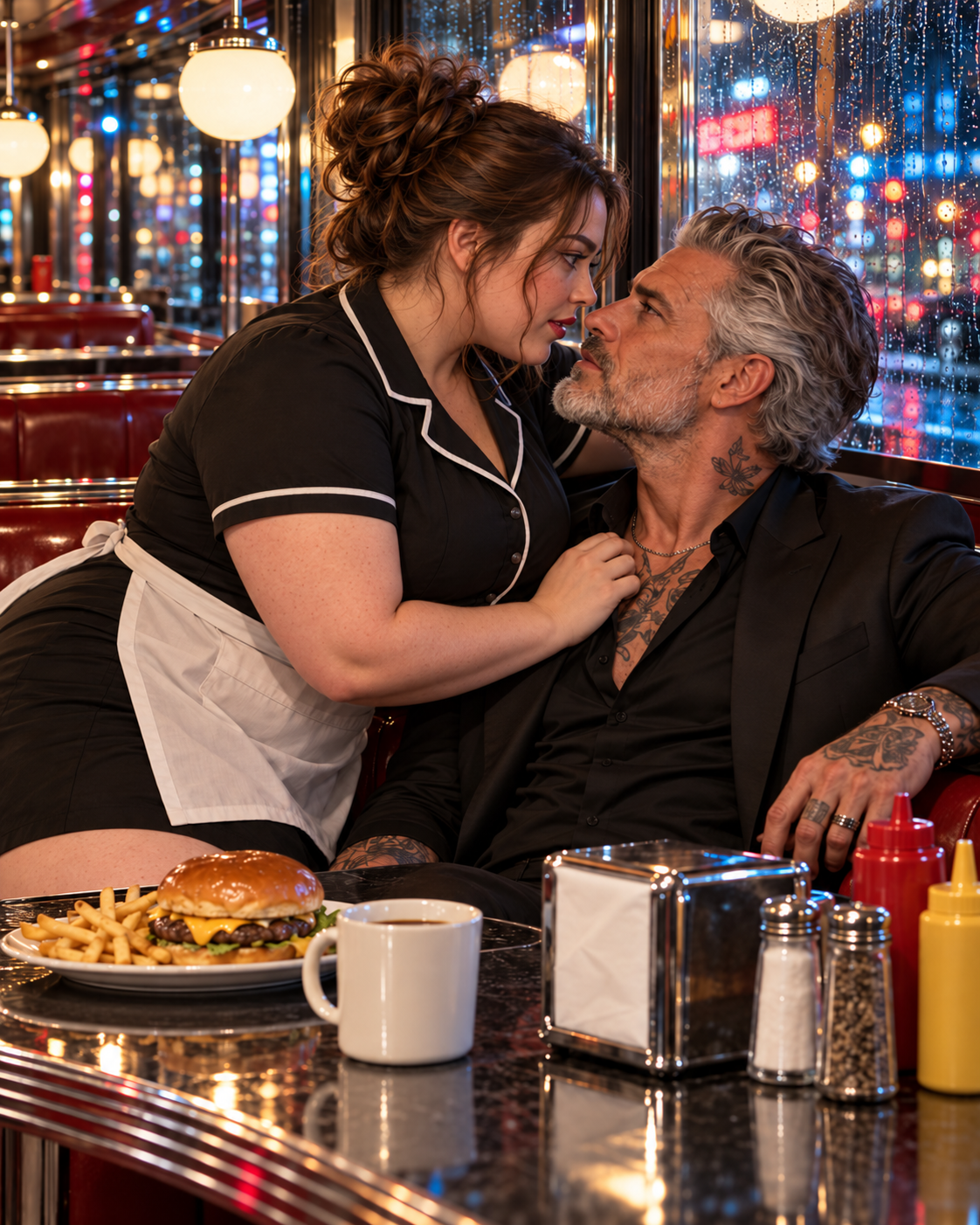
Michael hesitated.
It was the first time Chelsea had ever seen him reluctant to deliver bad news.
“Daniel copied the records.”
Her heartbeat quickened.
“Why?”
“Insurance. Maybe evidence. Maybe he thought he could trade it for protection.”
“Did he give it to you?”
“No.”
“Victor?”
“No.”
“Then where is it?”
“That,” Michael said quietly, “is why your brother is still alive.”
Chelsea turned toward the rain-blackened window.
Still alive.
She grabbed onto those two words.
“You know that for sure?”
“No.”
Her hope cracked.
“But Victor is still searching,” Michael continued. “And men like Victor don’t waste resources looking for someone they know is dead.”
Chelsea closed her eyes.
For the first time in weeks, she had something resembling evidence that Daniel might still be out there.
But it also meant every danger surrounding her was larger than she’d imagined.
“If Victor thinks Daniel gave me those records…”
“He’ll keep coming.”
“And if he realizes you care about me?”
Michael didn’t answer.
Chelsea gave a humorless laugh.
“So that confession earlier wasn’t exactly convenient.”
“No.”
“At least you’re honest about that.”
“Usually too late.”
She turned back to him.
There was something strangely human about Michael in that moment. He wasn’t the myth whispered about in Chicago bars or the intimidating man whose presence could empty half a room. He was simply a tired man standing inside a beautiful house he no longer completely controlled.
Chelsea suddenly understood the real danger wasn’t just Victor.
It was that Michael had built his life around power, yet the people closest to power were often the ones best positioned to betray it.
“Why do you trust me?” she asked.
“I don’t.”
Her eyebrows rose.
Michael almost smiled.
“I trust your motives,” he corrected. “You want your brother alive. You want your own life back. You’re not pretending otherwise.”
“And everyone around you is?”
“Nearly everyone wants something.”
“So do I.”
“Yes. But you say what it is.”
Before Chelsea could answer, three hard knocks struck the study door.
Michael’s hand moved instinctively beneath his jacket.
A voice called, “Sir. We found something.”
The man outside was Owen Mercer, Michael’s security chief, a broad-shouldered former Chicago police detective in his late forties.
Michael opened the door only after confirming him through the security monitor.
Owen entered holding a small black device inside a plastic evidence bag.
“Camera transmitter,” he said. “Found behind the ventilation grille across from the library.”
“When was it installed?”
“Recently. Adhesive is fresh.”
“Who had access?”
“Maintenance, housekeeping, security.”
Michael’s expression darkened.
Owen continued, “There’s something else. One of the kitchen staff is missing.”
“Who?”
“Evan Rourke. Dishwasher. Started three months ago.”
Chelsea frowned.
“I’ve seen him.”
Michael turned sharply. “When?”
“This afternoon. He brought coffee into the sitting room.”
Owen and Michael exchanged a look.
Chelsea felt irritation rise through her fear.
“Stop doing that.”
“Doing what?” Michael asked.
“Looking at each other like I’m evidence.”
Michael stepped closer. “Did he say anything to you?”
“Nothing strange.”
“Think.”
Chelsea replayed the afternoon.
Evan had carried a tray. Set it down. Apologized because one cup rattled against its saucer.
Then he had looked at the book Chelsea was reading.
“He asked whether I liked mysteries.”
Owen frowned.
“What did you say?”
“That real life had enough mystery for me.”
“Anything else?”
Chelsea remembered.
“He said sometimes the answer is hidden where people stop looking.”
Michael went completely still.
“Exact words?”
“I think so.”
Owen muttered something under his breath.
“What?” Chelsea demanded.
Michael answered.
“It may have been a message.”
“For me?”
“For Daniel.”
Chelsea stared at him.
Then comprehension arrived.
“You think Daniel sent him.”
“Possibly.”
“Then Evan isn’t Victor’s man.”
“Or Victor wants us to believe that.”
Chelsea exhaled sharply. “How do you live like this?”
Michael’s response came without humor.
“Poorly.”
Owen’s phone rang.
He checked the screen.
“We’ve got movement at the north gate.”
Michael immediately shifted back into command.
Chelsea followed them to the security room despite Michael telling her to remain behind.
“I am finished being protected by not knowing things,” she said.
Michael didn’t argue.
Several monitors showed different sections of the property.
On the north gate camera, a dark sedan sat twenty yards outside the entrance with its headlights on.
No one got out.
A minute passed.
Then two.
Owen ordered one of the exterior teams to approach.
Before they reached the vehicle, the driver’s door opened.
A man stepped out with both hands raised.
Chelsea stopped breathing.
Even through the grainy security image, she recognized the winter coat.
“Daniel.”
She ran for the door.
Michael caught her wrist.
“Chelsea.”
“That’s my brother.”
“We don’t know who’s inside that car.”
“I don’t care.”
“I do.”
For one furious second she tried to pull away.
Then Daniel collapsed onto his knees outside the gate.
Chelsea’s anger vanished.
Michael released her and turned toward Owen.
“Bring him in. Search the vehicle first.”
Five agonizing minutes later, Daniel Dawson was carried into the estate.
He was thinner than Chelsea remembered, unshaven and exhausted, with a bruise along one cheek and a split lip. But he was alive.
Chelsea reached him in the foyer and wrapped both arms around him.
Daniel made a broken sound somewhere between laughter and crying.
“I’m sorry,” he whispered.
She hit his shoulder.
Not hard.
“You idiot.”
“I know.”
“You absolute idiot.”
“I know.”
Then she hugged him again.
Michael remained several feet away.
Daniel noticed him over Chelsea’s shoulder.
His relief disappeared.
“Why is she here?”
Chelsea pulled back.
“Maybe start with hello.”
Daniel looked terrified.
“Chels, you don’t understand.”
“I understand enough to know half of Chicago seems to be looking for you.”
Daniel turned to Michael.
“I have what Victor took.”
Michael’s expression did not change.
“Where?”
Daniel tapped his chest.
“Not on me.”
“Then where?”
“Safe.”
Chelsea groaned. “Daniel.”
“I couldn’t bring it here. If Victor followed me—”
“He may have,” Owen interrupted.
Everyone turned.
One of the security monitors flashed.
Three vehicles had stopped on the road beyond the north gate.
Michael’s face hardened.
Daniel went pale.
“That’s him.”
Chelsea felt the brief joy of finding her brother vanish beneath a fresh wave of dread.
Victor had arrived.
Michael ordered Chelsea and Daniel moved upstairs while Owen mobilized the estate security team.
Chelsea refused.
“I’ve spent weeks running from a conversation I wasn’t even part of. I’m done.”
“This isn’t a conversation,” Michael said.
“Then make it one.”
Daniel stared at her as if she had lost her mind.
Michael studied her for several seconds.
“What exactly are you suggesting?”
“Victor wants something. Daniel has it. You want Victor exposed. Everyone keeps pointing weapons at a problem that sounds like it started with spreadsheets.”
Daniel almost laughed despite himself.
“That’s basically accurate.”
Chelsea looked at Michael.
“Then use the numbers.”
Michael’s eyes narrowed as he understood.
“You want him to talk.”
“I want him to believe he’s still negotiating.”
Owen stepped closer. “We can record it.”
Michael considered the idea.
Daniel shook his head rapidly.
“No. Absolutely not. Victor will kill me.”
“He’s been trying to find you for weeks,” Chelsea said. “Running hasn’t fixed that.”
“Chelsea, this isn’t one of your diner arguments.”
“No. At the diner, people usually tip afterward.”
To everyone’s surprise, Michael laughed.
Only once.
But the tension in the room broke just enough for people to think.
Twenty minutes later, Victor was allowed through the outer gate with two men while the rest remained outside.
He entered the estate as though he still belonged there.
Victor Salerno was nearly Michael’s age, silver-haired, immaculate, and outwardly calm. The kind of man a stranger might mistake for an attorney or a bank executive.
When he saw Chelsea standing beside Michael, his smile sharpened.
“So the rumors are true.”
Michael said nothing.
Victor looked toward Daniel.
“And the missing accountant comes home.”
Daniel swallowed.
Chelsea could feel him trembling beside her.
Victor spread his hands.
“This can all end peacefully.”
Chelsea almost admired the audacity.
Michael’s voice was quiet.
“You stole from me for eighteen months.”
Victor’s smile disappeared.
“That’s what he told you?”
“That’s what the accounts say.”
“You haven’t seen the accounts.”
“Not yet.”
Victor looked at Daniel.
There.
A flicker.
Fear.
Chelsea saw it, and she knew Michael saw it too.
Daniel cleared his throat.
“I made copies.”
Victor’s expression remained composed, but his right hand tightened slightly.
“You made mistakes.”
“No,” Daniel said. “You did.”
Victor took one slow step forward.
Owen’s security team shifted.
Michael raised one hand, stopping them.
Daniel continued.
“You used the same vendor pattern in six companies. Changed the names, kept the routing sequence. You thought nobody would compare them because the businesses were in different industries.”
Victor stared at him.
For the first time, the polished mask cracked.
“You insignificant little—”
“Careful,” Chelsea said.
Victor looked at her.
She surprised herself by holding his gaze.
“You came here because you need him afraid,” she continued. “If you actually knew where the records were, you wouldn’t be standing in Michael’s living room asking questions.”
Victor smiled slowly.
“Michael, she’s charming.”
“She is.”
Something passed between the two older men.
Years of partnership.
Resentment.
Competition.
Perhaps friendship once.
Then Victor said, “You’ve grown sentimental.”
Michael’s expression became unreadable.
“No. I’ve grown observant.”
“You built everything we have because you understood weakness.”
“I built it because I understood loyalty.”
Victor laughed.
“Loyalty? We terrified people into obedience.”
“No,” Michael said. “You did.”
The room became very quiet.
Victor’s eyes changed.
And Chelsea realized this confrontation had never truly been about stolen money.
It was about two men who had spent decades telling themselves the same story about who they were, only to discover they had stopped believing the same version.
Victor gestured toward Chelsea.
“This girl will destroy you.”
Michael looked at her before answering.
“She reminded me there are things worth not becoming.”
Victor’s mouth twisted.
“Beautiful.”
Then he reached inside his jacket.
Everything happened at once.
Owen’s men raised their weapons.
Daniel ducked.
Chelsea heard Michael shout.
But Victor did not pull a gun.
He pulled a phone.
The screen displayed a timer.
Michael stared at it.
“What did you do?”
Victor smiled.
“You think I came here without insurance?”
Owen grabbed him while another guard took the phone.
The timer showed three minutes.
Daniel’s face drained of color.
“The files.”
Chelsea turned.
“What?”
Daniel spoke quickly.
“I kept them on a remote server. There was a dead-man trigger attached to one copy. Victor knew about it.”
Michael looked at him. “Who receives them?”
“Federal investigators. Reporters. A lawyer.”
Victor stopped smiling.
Daniel stared at the timer.
“But that isn’t my trigger.”
Victor’s composure finally shattered.
“What?”
Daniel looked at him.
“I changed it.”
The room froze.
Daniel’s fear was still visible, but beneath it was something Chelsea had not seen in her brother for years.
Resolve.
“You told me I was nobody,” he said. “That nobody would believe me. So I made sure belief wouldn’t matter.”
Victor lunged toward him.
Owen forced him back.
“You stupid little bastard!”
Daniel flinched but didn’t retreat.
“The timer doesn’t erase the files,” he said.
Michael understood first.
“It sends them.”
Daniel nodded.
Victor went silent.
The remaining seconds disappeared.
3.
2.
1.
The phone chimed.
Nothing exploded.
No alarm sounded.
Chicago did not change in an instant.
But somewhere beyond the estate, encrypted documents began arriving in several inboxes.
Bank records.
Transfer histories.
Shell-company documents.
Messages.
Dates.
Names.
Enough to destroy Victor’s private operation and expose pieces of Michael’s organization as well.
Michael looked at Daniel.
“You included everything?”
Daniel swallowed.
“Yes.”
Victor started laughing.
Not because anything was funny.
Because he understood.
“You fool,” he told Michael. “You let them do this under your roof.”
Michael’s face remained calm.
“No.”
He looked at Chelsea.
“I think I finally stopped preventing it.”
Victor was taken away by Michael’s security team and turned over later that night after attorneys arranged contact with federal authorities.
For Michael, the consequences began almost immediately.
He could have run.
He had money, contacts, properties, and enough warning to disappear long before investigators arrived.
He did not.
Just before dawn, Chelsea found him standing alone on the terrace overlooking the frozen grounds.
Chicago’s distant glow stained the horizon.
“You’re staying,” she said.
“Yes.”
“Why?”
Michael slid his hands into his coat pockets.
“Because Victor was right about one thing.”
Chelsea waited.
“I spent a long time believing power could protect me from consequences.”
“And now?”
“Now I think consequences may be the only honest thing left.”
Chelsea leaned against the stone railing.
“What happens to you?”
“I don’t know.”
“That scares you?”
“Yes.”
It was the first time she had ever heard Michael Watson admit fear without disguising it as strategy.
She looked toward the eastern sky.
“I don’t know what happens to us either.”
“I know.”
“And I’m not promising to wait for you.”
“I wouldn’t ask.”
“I don’t want your money.”
“I know.”
“I don’t want protection that feels like a cage.”
Michael looked at her.
“I know that now.”
Chelsea nodded.
“Good.”
For a while, they simply stood there.
There was no grand declaration.
No fantasy that affection could erase decades of choices.
What existed between them was real, but so was everything that had come before it.
Michael had spent years becoming a man the city feared.
Chelsea would not pretend love could magically turn him into someone else.
If he wanted another life, he would have to build it himself.
Later that morning, federal agents entered the estate.
Michael cooperated.
Victor’s financial operation unraveled over the following months. Several businesses were seized. Multiple associates accepted plea agreements. Investigators verified that Daniel had been coerced after initially participating without understanding the scope of the scheme.
Daniel still faced consequences for his involvement, but his cooperation mattered.
For Chelsea, the strangest part was returning to ordinary life.
The diner reopened after renovations to repair damage from an unrelated winter pipe burst. The red neon sign still buzzed. Coffee still burned if it sat on the warmer too long. Customers still complained about eggs and left quarters beneath mugs.
After weeks inside Michael’s world, normal problems felt almost luxurious.
Daniel moved into a small apartment several blocks from Chelsea and began working for a nonprofit financial counseling center after completing the legal requirements of his case.
He joked that numbers had nearly ruined his life, so he might as well use them to help somebody.
Chelsea told him that was the first intelligent thing he’d said in years.
Michael’s case took longer.
He accepted responsibility for financial crimes tied to businesses he had controlled and provided information that helped dismantle several criminal networks that Victor had expanded without his knowledge.
None of that made Michael innocent.
He never claimed it did.
The newspapers called his cooperation shocking.
Television commentators debated whether it represented conscience or strategy.
Chelsea stopped watching.
She knew the answer was probably both.
People were rarely just one thing.
Nearly two years later, on an early autumn afternoon, Chelsea finished her shift and walked outside carrying a paper cup of coffee.
Chicago moved around her exactly as it always had.
A bus sighed at the curb.
The elevated train thundered several blocks away.
A delivery driver argued with someone over a parking space.
The wind carried the first hint of winter.
Across the street stood a man in a dark wool coat.
For one second, Chelsea didn’t recognize him.
Michael looked older.
Not dramatically.
Just honestly.
The hardness that once seemed permanently carved into his face had softened.
He crossed when the light changed.
Chelsea remained where she was.
“You could’ve called,” she said.
“I considered it.”
“And?”
“I decided you might hang up.”
“I might have.”
Michael smiled.
“Still might.”
He stopped several feet away.
No guards.
No black sedan idling nearby.
No men watching from corners.
Just Michael.
“What happens now?” he asked.
Chelsea took a sip of coffee.
“You tell me.”
“I don’t own anything you need.”
“Good start.”
“I can’t promise an uncomplicated life.”
“Bad second sentence.”
He laughed.
Chelsea had remembered that laugh.
It still sounded like something he hadn’t practiced enough.
Michael looked toward the diner.
“I’ve thought about that night a thousand times.”
“The collectors?”
“The moment you told them your brother’s mistakes weren’t yours.”
Chelsea lowered the cup.
“What about it?”
“I spent most of my life doing the opposite.”
She waited.
“I treated other people’s loyalty as mine. Their mistakes as betrayals against me. Their fear as respect. Their silence as agreement.”
“And now?”
“Now I know the difference.”
Chelsea studied him.
“You can’t undo what you did.”
“No.”
“You can’t become a different man just because you suffered consequences.”
“No.”
“And I’m not a reward waiting at the end of some redemption story.”
His expression softened.
“I know.”
That answer mattered more than she expected.
Chelsea glanced toward the diner door.
Her shift manager was watching through the glass with absolutely no attempt at discretion.
She sighed.
“My break ends in twenty minutes.”
Michael nodded.
“Then I shouldn’t keep you.”
He began to turn.
Chelsea rolled her eyes.
“You’ve apparently learned humility and completely forgotten how conversations work.”
Michael stopped.
She pointed toward the coffee shop at the corner.
“You have nineteen minutes.”
His smile returned.
They crossed the street together.
Nothing about the future was guaranteed.
Chelsea did not know whether affection born during fear could survive ordinary days. Michael did not know whether a man who had spent decades controlling everything could learn to live without controlling the people he loved.
But perhaps that was why this beginning felt more honest than everything that had come before it.
It contained no promises they could not keep.
Only choices they would have to make again and again.
Chelsea had once believed strength meant standing alone when everyone expected her to bend.
Michael had believed strength meant making sure no one could ever threaten him.
Daniel had believed survival meant running until his mistakes could no longer find him.
Each of them had been partly right.
And dangerously wrong.
In the end, courage was not the absence of fear, power, guilt, or consequence.
Sometimes courage was simply the moment a person stopped allowing those things to decide who they would become next.
Chicago had not changed for any of them.
The trains still rattled over steel tracks.
Lake Michigan still sent cold wind between the buildings.
Neon still glowed above twenty-four-hour diners where tired people drank coffee beneath fluorescent lights.
But Chelsea understood something now that she hadn’t understood on the night dangerous men first walked into her workplace.
A life could change in one terrible moment.
It could also change in one honest decision.
And while no one could rewrite what had already happened, everyone eventually reached a point where the next page was still blank.
What they put on it was the part that mattered.
What they put on it was the part that mattered.
For Chelsea, the next page began with nineteen minutes in a corner coffee shop on a windy Chicago afternoon.
Michael ordered black coffee.
Chelsea stared at the cup when the barista placed it between them.
“You still drink that?”
Michael glanced down. “Coffee?”
“No. Punishment.”
A small smile touched his face.
“It grows on you.”
“So does mold.”
He laughed again.
It was strange how different that laugh sounded now.
Two years earlier, Michael’s laughter had always seemed rare and dangerous, the brief relaxation of a man who could become cold again in an instant.
Now it sounded simply human.
They sat near the window.
Outside, pedestrians moved along the sidewalk beneath orange leaves that had begun gathering against the curb.
For a moment, neither of them spoke.
Chelsea had imagined this reunion many times, though she had never admitted it.
Sometimes Michael appeared at the diner exactly as he had before, powerful and composed, asking her to leave Chicago with him.
Sometimes he arrived broken and apologetic.
Sometimes he never came back at all.
Reality was quieter.
Michael stirred a coffee he had not sweetened.
Chelsea watched him.
“What are you doing now?”
“Trying to live without having twenty people tell me what I’m doing every hour.”
“That sounds difficult.”
“It is.”
“Where are you staying?”
“A small place in Evanston.”
She nearly choked on her coffee.
“You?”
“Yes.”
“In a small place?”
“Relatively small.”
“How many bedrooms?”
“Three.”
Chelsea shook her head.
“Michael, three bedrooms is not small.”
“It is compared to the estate.”
“That estate had its own security command center.”
“Which made comparison difficult.”
She smiled despite herself.
Michael’s expression softened.
For several seconds, he simply looked at her.
Chelsea recognized that look.
It had once frightened her because of how intensely he seemed to see her.
Now she could face it.
“Don’t,” she said.
“Don’t what?”
“Turn this into some movie scene.”
“I wasn’t.”
“You were about three seconds away from saying you’ve thought about me every day.”
Michael hesitated.
Chelsea groaned.
“You have?”
“Yes.”
“At least lie occasionally.”
“I tried that for most of my life.”
“Fair point.”
The ease between them surprised her.
But underneath it was something neither could ignore.
History.
Everything that had happened between them had been shaped by danger.
Chelsea had met Michael at the worst possible moment of both their lives.
She had seen him powerful, frightened, protective, controlling, tender, and guilty.
He had seen her terrified and watched her pretend not to be.
They knew too much about each other to begin like strangers.
But they also knew too little about who the other had become.
Chelsea looked at the clock.
Thirteen minutes remained.
“What do you actually want, Michael?”
He did not answer quickly.
That was new too.
The old Michael always had an answer ready.
“I want to know you when nobody is trying to kill anyone.”
Chelsea raised an eyebrow.
“A surprisingly reasonable goal.”
“I’ve been working on reasonable.”
“How’s that going?”
“Slowly.”
She leaned back.
“And if you don’t like me when my biggest crisis is that somebody called in sick and I have to work a double shift?”
“I suspect I’ll survive.”
“What if I’m boring?”
Michael looked genuinely confused.
“You’ve never been boring.”
“You knew me during organized crime, betrayal, federal investigations, and a hostage-level amount of security.”
“I knew you while you were serving pancakes.”
“That was one night.”
“It was memorable.”
Chelsea looked out the window.
A part of her wanted to say yes immediately.
Another part remembered how easily fear could make something feel like destiny.
She had spent two years learning the difference between intensity and intimacy.
They were not the same.
“I don’t want what we had,” she said.
Michael’s expression tightened slightly.
“I understand.”
“No. Listen.”
He did.
“What happened between us mattered to me. But I don’t want to go back to it.”
She rested both hands around her cup.
“I don’t want secret rooms, locked gates, guards outside doors, or someone deciding what’s best for me without asking.”
Michael nodded.
“I don’t want you protecting me from every bad thing in the world.”
Another nod.
“And I especially don’t want to become the excuse you use to convince yourself you’re a good man.”
That one landed.
Chelsea could see it.
Michael lowered his eyes.
“I wouldn’t ask you to.”
“Good.”
She waited until he looked at her again.
“If we’re going to know each other now, it has to be normal.”
Michael glanced around the coffee shop.
A toddler was throwing pieces of muffin onto the floor.
A college student nearby was typing furiously on a laptop.
Someone’s phone rang with an obnoxiously cheerful melody.
“This?”
Chelsea smiled.
“This.”
Michael considered it.
“I can try.”
“No armed men outside?”
“No.”
“No surprise cars following me home?”
“No.”
“No investigating people I date?”
Michael’s expression shifted.
Chelsea pointed at him.
“That hesitation is exactly why I’m asking.”
“I won’t investigate anyone you date.”
“You hated saying that.”
“I did.”
She laughed.
“Progress.”
The twenty minutes passed too quickly.
When Chelsea returned to the diner, Michael did not ask when he could see her again.
He simply said, “Thank you for the coffee.”
Chelsea watched him walk away.
Then, just before he reached the corner, she called after him.
“Michael.”
He turned.
“Wednesday.”
He waited.
“I finish at six.”
Michael nodded once.
“Wednesday.”
That was how they started again.
Not with declarations.
With Wednesdays.
At first, they met once a week.
Coffee.
Dinner.
Walks along the lakefront when the weather allowed.
Michael learned that Chelsea hated expensive restaurants where menus did not list prices.
Chelsea learned that Michael enjoyed old jazz records and terrible crossword puzzles.
He was surprisingly bad at grocery shopping.
She discovered this after seeing his kitchen.
“You have six bottles of sparkling water, mustard, eggs, and one lemon.”
“I’ve been busy.”
“You’ve been free for three months.”
“I’ve been adjusting.”
“To starvation?”
The next Saturday, she took him shopping.
Michael stood in the produce aisle staring at avocados like they had personally insulted him.
Chelsea laughed until she had tears in her eyes.
For the first time, Michael began understanding ordinary life not as something beneath him but as something he had missed.
Waiting in line.
Paying bills himself.
Cooking badly.
Knowing neighbors.
Having conversations where nobody expected favors afterward.
It frightened him more than he expected.
Power had always provided structure.
Without it, he sometimes felt invisible.
Chelsea noticed.
“You hate not being important.”
Michael looked at her.
They were sitting on a bench near Lake Michigan one evening as sunlight faded across the water.
“I hate not being useful.”
“That’s different.”
“Is it?”
“Yes.”
She nudged his shoulder.
“Importance is about people noticing you. Usefulness is about whether you make something better.”
He remained quiet.
“You can still do that,” she added.
“How?”
“I don’t know. Figure it out.”
Michael did.
Several months later, he began working quietly with a legal nonprofit that helped small businesses recover from extortion and financial coercion.
At first, the attorneys did not trust him.
They had no reason to.
Michael accepted that.
He never asked them to forget who he had been.
Instead, he showed them how criminals manipulated vulnerable business owners.
How threats were disguised as loans.
How shell companies concealed ownership.
How fear became paperwork.
The knowledge that had once helped him build power became useful for dismantling systems like the ones he had created.
Chelsea did not call it redemption.
Neither did Michael.
Redemption, she believed, was too convenient a word when used by the person seeking it.
Accountability was slower.
Less dramatic.
More honest.
Daniel was doing better too.
He still carried guilt.
Some mornings, he woke convinced that Victor would somehow return.
Therapy helped.
So did work.
At the counseling center, he became known for spotting financial scams before clients lost everything.
One evening, Chelsea met him for dinner.
Daniel watched her across the table.
“You’re seeing him again.”
Chelsea continued eating.
“Who?”
Daniel gave her a look.
“You know exactly who.”
“I see lots of people.”
“You have never once been subtle.”
“Neither have you.”
“Chelsea.”
She sighed.
“Yes.”
Daniel leaned back.
“You trust him?”
“I’m learning whether I can.”
“That doesn’t answer the question.”
“It does. You just don’t like the answer.”
Daniel rubbed his forehead.
“He scared the hell out of me.”
“He scared the hell out of everyone.”
“And now you’re dating him.”
“We haven’t called it that.”
Daniel stared at her.
“You spend every Wednesday together.”
“That’s not dating.”
“He helped you move a couch.”
Chelsea paused.
Daniel pointed his fork.
“That is dating.”
She laughed.
Then became serious.
“I know who he was.”
Daniel’s expression softened.
“That’s what worries me.”
“So do I.”
“Do you?”
“Yes.”
Chelsea put her fork down.
“I’m not with Michael because I think love erased his past.”
“Then why?”
“Because I’m watching what he does with the rest of his life.”
Daniel considered that.
“And if he becomes controlling again?”
“I leave.”
“If he lies?”
“I leave.”
“If he starts making decisions for you?”
“I leave.”
Daniel slowly nodded.
“You’ve really thought about this.”
“I had two years.”
He reached across the table and squeezed her hand.
“Then just don’t disappear into his life.”
Chelsea squeezed back.
“I won’t disappear into anyone’s.”
That promise would matter sooner than either of them expected.
Because Victor Salerno was not finished.
Eighteen months after Michael returned to Chicago, Victor’s federal trial was approaching.
Prosecutors had built an overwhelming case.
Financial records.
Witness testimony.
Encrypted communications.
Daniel’s evidence.
Michael’s cooperation.
Victor faced the possibility of spending the rest of his life in prison.
Desperate men sometimes became careless.
And sometimes they became dangerous.
On a rainy Thursday morning, Chelsea arrived at the diner to find a plain envelope beneath the windshield wiper of her car.
No stamp.
No name.
Inside was a photograph.
Michael walking out of Chelsea’s apartment building the previous night.
On the back, written in black ink:
HE STILL COSTS PEOPLE EVERYTHING.
Chelsea’s blood went cold.
She looked across the parking lot.
Nothing unusual.
Traffic moved along the street.
A delivery truck idled nearby.
Someone walked a dog beneath an umbrella.
She immediately called Michael.
His voice changed the moment she described the envelope.
“Go inside.”
“No.”
“Chelsea.”
“There are people inside the diner.”
“Exactly.”
“I’m not hiding.”
“This isn’t about proving courage.”
“Then stop treating me like I need instructions.”
Silence.
Michael corrected himself.
“Where do you want to go?”
Better.
“The police.”
“I’ll meet you there.”
“No.”
“Chelsea.”
“You’re a witness in Victor’s case. If somebody is watching us, they may want you to react.”
Michael understood.
“You think they’re trying to provoke me.”
“I think whoever did this knows exactly what kind of man you used to be.”
Michael remained quiet.
Chelsea added, “Don’t become useful to them.”
Twenty minutes later, she handed the envelope to detectives.
Federal investigators were contacted.
Security footage from nearby businesses was collected.
Within hours, authorities identified a man who had approached her car.
His name was Tomas Vale.
Victor’s nephew.
He had avoided indictment during the earlier investigation because prosecutors lacked sufficient evidence connecting him to the financial operation.
Now he had made a mistake.
But Vale disappeared before police reached his apartment.
The message changed everything.
Federal authorities increased protection around Daniel and Chelsea.
Michael hated it.
Chelsea could tell.
But instead of interfering, he followed instructions.
For three days.
On the fourth, Daniel vanished.
Chelsea learned when he failed to arrive at work.
His phone was found in an alley near his apartment.
There was no blood.
No sign of struggle.
Only a folded piece of paper beneath the phone.
ONE ACCOUNT FOR ANOTHER.
Chelsea felt the old terror return.
The same terror from the night her brother first disappeared.
But this time, she did not freeze.
She called investigators.
Then Michael.
When he arrived, his face looked exactly as it had two years before when he received the photograph from inside his estate.
Cold.
Focused.
Dangerous.
Chelsea saw the transformation and stepped directly in front of him.
“No.”
Michael looked at her.
“No what?”
“Whatever you’re thinking.”
“They took Daniel.”
“I know.”
“And you want me to do nothing?”
“I want you to think.”
“I am thinking.”
“No. You’re becoming.”
His expression hardened.
“Becoming what?”
“The man they expect.”
Michael looked away.
Chelsea took his hand.
“Victor knows you.”
“So?”
“He knows what will make you angry. He knows what will make you reckless.”
Michael’s jaw tightened.
“Daniel may not have time for patience.”
“And he may have less time if you walk into a trap.”
They worked with investigators through the night.
Eventually, a pattern emerged.
Tomas Vale had rented a storage property near an abandoned industrial corridor on Chicago’s southwest side.
Federal agents prepared a tactical operation.
Then Chelsea’s phone rang.
Unknown number.
Everyone in the command room looked at her.
She answered.
“Hello?”
Daniel’s voice came through.
Weak.
“Chels?”
“Daniel.”
A man’s voice replaced his.
Tomas.
“Put Michael on.”
Michael took the phone.
“What do you want?”
“To finish what Victor couldn’t.”
“Daniel has nothing you need.”
“I don’t want Daniel.”
Michael’s face changed.
Chelsea understood.
Tomas wanted him.
“You come alone,” Tomas said. “Your little accountant walks.”
Michael replied instantly.
“Where?”
Chelsea grabbed his arm.
Michael covered the microphone.
“What?”
“You are not going alone.”
“He’ll kill Daniel.”
“He’ll probably kill you both.”
“I can’t risk your brother.”
“Stop.”
Michael stared at her.
Chelsea’s voice dropped.
“You’re doing it again.”
“Doing what?”
“Choosing for everyone.”
Michael looked shaken.
“My brother is not your responsibility.”
“He matters to you.”
“That doesn’t mean you get to trade your life for his.”
“What would you have me do?”
“Trust us.”
The word struck harder than she expected.
Trust.
The one thing Michael had never been good at.
Trust investigators.
Trust Chelsea.
Trust Daniel to survive long enough.
Trust that he did not need to control every outcome.
It was the hardest thing Chelsea had ever asked of him.
Michael slowly handed the phone to an FBI negotiator.
They built the plan around Tomas’s demand.
Michael would appear to arrive alone.
Agents would be concealed nearby.
Chelsea would remain at the command post.
She hated that part.
But she accepted it.
Because trust had to work both ways.
At 2:17 in the morning, Michael drove toward the abandoned property.
No visible escort.
No weapons.
Inside the warehouse, Daniel sat tied to a chair.
Tomas stood behind him.
“Stop there,” Tomas ordered when Michael entered.
Michael stopped.
Daniel’s face was bruised.
“You okay?” Michael asked.
Daniel managed a weak smile.
“Been better.”
Tomas pointed a gun toward Michael.
“My uncle lost everything because of you.”
“Victor lost everything because of Victor.”
“He trusted you.”
“No. He feared me.”
“You betrayed him.”
“I stopped protecting him.”
Tomas stepped closer.
“You think that makes you righteous?”
“No.”
Michael’s answer surprised him.
“I think it makes me late.”
Daniel looked up.
Tomas’s hand tightened around the weapon.
“You destroyed my family.”
Michael said, “Your uncle did that long before I testified.”
Tomas raised the gun.
In Chelsea’s command vehicle several blocks away, investigators listened through the hidden microphone on Michael.
The tactical team waited.
They needed a clear opening.
Then Daniel moved.
He kicked the chair backward.
Tomas instinctively turned.
Michael lunged.
The gun discharged.
Chelsea heard the shot through the audio feed.
Everything inside her stopped.
Agents rushed the building.
Another shot.
Shouting.
Then static.
Chelsea ripped off the headset.
“What’s happening?”
Nobody answered immediately.
She hated every second.
Then the radio crackled.
“Suspect down. Hostage secure.”
Chelsea could barely breathe.
“And Michael?”
A pause.
“Michael Watson is hit.”
She was out of the vehicle before anyone could stop her.
The ambulance lights painted the warehouse walls red and white.
Daniel was being treated near the entrance.
Chelsea grabbed him.
“Where?”
“He saved me.”
“Where is he?”
Daniel pointed.
Michael lay on a stretcher.
Blood covered the left side of his shirt.
Chelsea ran to him.
His eyes opened when he heard her voice.
“You look angry,” he murmured.
She almost laughed and cried at the same time.
“You got shot.”
“I noticed.”
“You promised normal.”
“This was not my preferred evening.”
Paramedics tried to move her aside.
Michael reached for her hand.
Chelsea held it.
“Don’t you dare turn this into some heroic ending.”
Michael’s breathing was shallow.
“I wasn’t planning to.”
“You are not dying because you think it proves something.”
A faint smile.
“Very demanding.”
“Yes.”
His fingers tightened around hers.
“Chelsea.”
“No.”
“Listen.”
“I am listening.”
“I trusted the plan.”
Her eyes filled.
He was right.
He had.
He had gone inside because the plan required him to.
He had not brought armed men.
He had not secretly changed the operation.
He had not returned to the old methods.
Even when everything he loved was threatened, he had chosen trust over control.
Michael whispered, “I think that’s progress.”
Chelsea bent forward and pressed her forehead against his.
“Then live long enough to enjoy it.”
He survived.
The bullet had entered below the shoulder and missed his heart by less than two inches.
Recovery took months.
Tomas Vale survived as well and was charged with kidnapping, attempted murder, and several additional offenses connected to Victor’s network.
Victor was convicted.
Daniel testified.
Michael testified.
And for the first time in years, the shadow that had followed them began to fade.
Six months after the shooting, Michael stood in Chelsea’s kitchen attempting to cook dinner.
“Something is burning,” Chelsea said from the doorway.
“It isn’t.”
“It smells like a tire fire.”
Michael opened the oven.
Smoke rolled out.
Chelsea began laughing.
“This is funny to you?”
“Extremely.”
“I followed the instructions.”
“Apparently the instructions were written by Victor.”
Michael gave her an unimpressed look.
She walked over and turned off the oven.
His left arm still moved stiffly.
The scar beneath his shoulder would remain for life.
Chelsea touched the edge of his shirt.
“Does it hurt?”
“Sometimes.”
“You never say when.”
“You don’t like being protective.”
“I don’t like being controlled. Those aren’t the same.”
Michael smiled.
“I’m still learning.”
“So am I.”
They ordered pizza.
One year later, Chelsea opened her own diner.
Not a glamorous restaurant.
Not a luxury place funded by Michael.
She refused his money.
Instead, she used savings, a small business loan, and an investment from Daniel that she made him document properly.
The diner stood three blocks from the lake.
She called it Dawson’s.
Michael wanted to invest.
Chelsea said no.
He offered to help with the lease.
No.
He suggested security cameras.
That, Chelsea accepted.
“See?” Michael said. “Growth.”
“Don’t ruin the moment.”
Dawson’s became busy quickly.
Nurses came after night shifts.
Students came for cheap coffee.
Police officers stopped in before dawn.
Retired men argued about baseball near the front window.
Chelsea hired people who needed second chances.
Single mothers.
Former inmates.
Young adults aging out of foster care.
People who had spent years being judged by the worst line in their history.
She knew something about that.
Michael never worked there officially.
But he appeared almost every morning around seven.
He sat in the same booth.
Black coffee.
Two eggs.
Toast.
No special treatment.
Customers slowly stopped staring at him.
The legend faded.
The man remained.
One winter morning, Chelsea placed his plate on the table.
Michael looked up.
“Sit down.”
“I’m working.”
“Two minutes.”
“What did you do?”
“Nothing.”
“That sounds suspicious.”
Michael reached into his coat.
Chelsea narrowed her eyes.
“If that’s a ring, I’ll throw coffee at you.”
Michael froze.
She laughed.
“Your face.”
“I suddenly regret everything.”
He removed a folded document instead.
Chelsea sat.
“What is it?”
Michael slid it toward her.
The document transferred ownership of a small building to a charitable trust.
The trust would provide temporary housing for witnesses and families escaping organized crime.
Chelsea stared at him.
“Why are you showing me?”
“Because I’m naming it after someone.”
“Michael.”
“Not you.”
“Good.”
“Daniel.”
Chelsea blinked.
“Does he know?”
“No.”
“He’s going to cry.”
“I know.”
“He’ll deny it.”
“I know.”
Chelsea looked back at the document.
“You’re really doing this.”
Michael’s expression became serious.
“I spent years using buildings to hide things.”
He glanced around the diner.
“I thought I might use one to protect people without owning them.”
Chelsea reached across the table.
She held his hand.
That evening, Daniel cried exactly as predicted.
He denied it afterward.
Years passed.
Not dramatically.
That was the miracle.
Ordinary years.
Michael aged.
Chelsea did too.
The age difference between them never disappeared.
Neither did the questions people sometimes asked.
Chelsea stopped caring.
She had never needed strangers to understand.
What mattered was that Michael never again treated love as ownership.
What mattered was that Chelsea never confused independence with refusing help.
What mattered was that Daniel learned shame could be survived.
Dawson’s expanded once.
Then twice.
Chelsea eventually owned three diners across Chicago.
Each one had the same rule printed behind the counter:
EVERYONE DESERVES TO BE TREATED LIKE THEIR STORY ISN’T FINISHED.
Customers assumed it was a slogan.
Chelsea knew better.
On Michael’s seventieth birthday, they returned to the first diner where they had met.
It had changed owners years earlier.
The neon sign was gone.
The booths had been replaced.
Chelsea stood near the window.
“Right there,” Michael said.
“What?”
“You were standing right there.”
She smiled.
“You remember?”
“I remember everything.”
“You looked terrifying.”
“You looked angry.”
“I was angry.”
“You told three men twice your size to leave.”
“They deserved it.”
Michael laughed.
Outside, snow began falling over Chicago.
The city lights reflected against wet pavement.
Chelsea turned toward him.
“Do you regret it?”
“What?”
“Your life.”
Michael looked through the window.
For a long time, he said nothing.
Then:
“Parts of it.”
“Only parts?”
“I can’t regret every mistake without regretting everything that came after.”
Chelsea understood.
Regret was complicated that way.
Michael looked at her.
“I wish I had learned sooner that fear isn’t respect.”
Chelsea nodded.
“I wish I had learned sooner that protecting someone doesn’t mean choosing for them.”
Another pause.
“And I wish I’d met you before I became the man you met.”
Chelsea smiled gently.
“I don’t.”
Michael looked surprised.
“Why?”
“Because I wouldn’t have been the person you needed.”
“And I wouldn’t have been the person you deserved.”
“Exactly.”
She took his hand.
“We met when we met.”
Snow gathered along the window ledge.
Chicago moved outside.
Michael’s hand was warmer than hers.
He squeezed it.
A year later, Michael’s health began declining.
Nothing dramatic at first.
Fatigue.
Shortness of breath.
Then tests.
Heart disease.
Years of stress, poor habits, and age had caught up with him.
Doctors recommended surgery.
Michael agreed.
Chelsea stayed with him through every appointment.
The operation succeeded.
For another five years, they had ordinary mornings.
Coffee.
Arguments about newspapers.
Daniel visiting too often and denying it.
Dawson’s expanding community programs.
Michael complaining that Chelsea worked too much.
Chelsea telling him he had no authority on the subject.
Then, one spring morning, Michael did not wake up.
Chelsea knew before touching him.
There was no violence.
No enemy.
No final confrontation.
Just sunlight through the bedroom curtains.
A quiet room.
And the end of a long life.
Chelsea sat beside him for almost an hour before calling anyone.
She cried.
Not the frantic grief of shock.
A deep, private grief.
The kind that contained gratitude inside it.
Michael had once believed death would find him through violence.
Instead, he died beside someone who loved him.
For a man who had lived surrounded by fear, perhaps that was the gentlest ending life could have offered.
At the funeral, Daniel stood beside Chelsea.
Hundreds attended.
Some had known Michael from the old days.
Others knew only the man he became later.
Attorneys.
Counselors.
Former business owners.
People who had stayed in the Daniel Dawson House.
Diner employees.
Neighbors.
One young man approached Chelsea after the service.
“You don’t know me,” he said.
“No.”
“Mr. Watson helped my mother.”
Chelsea listened.
The man’s family had been threatened by an extortion network years earlier.
Michael had helped investigators understand how the scheme worked.
The family escaped.
The man had gone to college.
Now he was studying law.
“I just wanted you to know,” he said.
Chelsea smiled through tears.
“I think he would have liked knowing that.”
Months later, Chelsea returned alone to the lakefront bench where she and Michael had once talked about importance and usefulness.
She brought two coffees.
Habit.
She placed one beside her.
The wind off Lake Michigan was cold.
She watched waves strike the concrete barrier.
For years, Chelsea had wondered what Michael’s story meant.
People wanted simple answers.
Was he a bad man who became good?
No.
Was he secretly good all along?
No.
Did love save him?
Not exactly.
Love had challenged him.
Consequences had humbled him.
Choice had changed him.
But Michael had saved himself in the only way anyone truly could.
One decision at a time.
Chelsea thought about the twenty-four-year-old waitress she had once been.
The young woman standing inside a Chicago diner facing dangerous men.
She had believed courage meant refusing to be afraid.
She knew better now.
Courage was being afraid and refusing to let fear choose for you.
Years later, when Chelsea was asked during an interview why every Dawson’s diner carried the same sentence behind the counter, she gave the interviewer a simple answer.
“Because people confuse someone’s worst chapter with their entire book.”
The interviewer asked, “Do you really believe everyone can change?”
Chelsea smiled.
“No.”
The answer surprised him.
“I believe everyone can choose to change,” she continued. “Whether they do is up to them.”
That quote spread further than Chelsea expected.
People printed it.
Shared it.
Put it on office walls.
Chelsea found that funny.
To her, it wasn’t philosophy.
It was simply what life had taught her.
Daniel eventually married.
Chelsea gave the toast.
His children called her Aunt Chels and grew up believing their father had always been the reliable man who checked everyone’s taxes twice.
Chelsea never corrected them.
People deserved to inherit more than the worst stories about their parents.
Dawson’s remained open.
Chelsea grew older behind the same kind of counter where her story had begun.
Sometimes young employees asked about the framed photograph near the register.
It showed Chelsea and Michael standing outside the original Dawson’s on opening day.
Michael looked irritated by the camera.
Chelsea looked like she was laughing at him.
“Who was he?” they would ask.
Chelsea always gave a different answer.
Sometimes:
“A complicated man.”
Sometimes:
“Someone who learned late.”
And occasionally:
“The reason I know people are more than what they’ve done.”
On Chelsea’s seventieth birthday, Daniel took her back to the first Dawson’s.
The restaurant was packed.
Employees from all three locations had gathered.
Former staff came from across the country.
There were nurses, attorneys, mechanics, teachers, accountants, business owners, parents, grandparents.
People Chelsea had once hired when nobody else would.
People whose lives had changed because someone had given them room to become something new.
Daniel raised his glass.
“My sister once told me my mistakes belonged to me.”
Chelsea laughed.
“I remember.”
“That was the worst thing I’d ever heard.”
Everyone smiled.
Daniel continued.
“And the best.”
He looked at her.
“Because she didn’t take my guilt away. She just refused to let it become hers.”
Chelsea’s eyes filled.
Daniel lifted his glass.
“To Chelsea. Who spent her life reminding people that helping someone doesn’t mean carrying their choices for them.”
The room applauded.
Chelsea looked around.
For one second, she imagined Michael sitting in his old booth.
Black coffee.
Quiet smile.
Watching.
Not because she believed ghosts lingered in diners.
But because some people remained in the shape of the lives they had touched.
Later that night, after everyone left, Chelsea stood alone behind the counter.
She turned off the lights one by one.
Only the small lamp beneath the framed photograph remained.
She looked at Michael.
“I think we did all right,” she whispered.
Then she smiled.
“No.”
She corrected herself.
“I think we chose all right.”
Chelsea locked the diner.
Outside, Chicago was alive.
Cars moved beneath the streetlights.
A train thundered somewhere in the distance.
The wind carried the familiar cold of Lake Michigan through the streets.
Chelsea pulled her coat tighter and started walking home.
She no longer believed that life divided people neatly into heroes and villains.
She had known kind people who made terrible choices.
Dangerous people who chose to change.
Victims who became cruel.
Broken people who became generous.
Good people who failed.
Guilty people who repaired what they could.
The truth was harder than any simple story.
A person could not always control the chapter they were given.
They could not erase what had already been written.
They could not force forgiveness.
They could not demand redemption.
But until the final page, they could still choose what came next.
And perhaps that was the lesson hidden beneath everything Chelsea and Michael had survived.
Love was not rescue.
Power was not safety.
Fear was not respect.
Regret was not change.
A second chance was not a clean slate.
It was simply another opportunity to make a different choice.
Michael Watson had spent half his life believing power meant controlling the world around him.
In the end, the greatest thing he ever learned was how to stop controlling the people he loved.
Chelsea Dawson had once believed strength meant never needing anyone.
In the end, she learned strength also meant allowing people to stand beside her without surrendering herself.
Daniel had once believed running could erase mistakes.
In the end, he learned that freedom began when he finally turned around and faced them.
None of them became perfect.
That was never the point.
They became responsible for what they chose next.
And on a cold Chicago night many years after a frightened waitress first stood up to men who expected her to bow her head, Chelsea walked beneath the city lights knowing something she had spent a lifetime learning:
The past explains who we have been.
It does not get the final vote on who we become.
That choice remains ours.
Until the very end.
THE END.